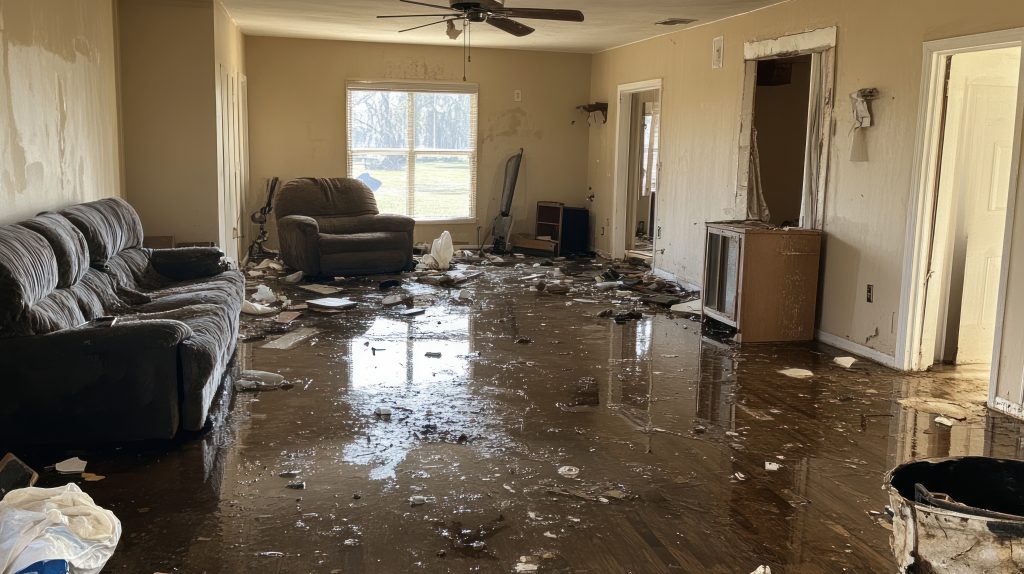
Flooding can strike unexpectedly, leaving behind extensive damage to your home’s structure and belongings. Whether caused by a burst pipe, heavy rainfall, or snowmelt, acting fast after a flood is crucial. At Utah Disaster Restoration Services, we specialize in flood damage restoration in Salt Lake City and emergency water cleanup in Utah County—helping homeowners recover quickly and safely.
Understanding the Impact of Flood Damage
Floods are one of the most destructive natural disasters in the United States. According to FEMA data, flooding causes an average of $6 billion in damage annually across the country. In Utah, spring snowmelt and monsoon-season downpours create particular flooding risks for homeowners unprepared for rapid water intrusion.
When water enters your home, the damage begins immediately. Within the first 24-48 hours, water damage can cause:
- Structural damage to walls, floors, and foundations
- Electrical hazards and system failures
- Mold growth (which can begin within 24-72 hours)
- Permanent damage to furniture, appliances, and personal belongings
- Contamination from sewage and chemical exposure
This is why immediate action is critical. Every hour counts when dealing with flood damage restoration.
Flood Recovery Checklist: Immediate Steps to Protect Your Home
Use this flood recovery checklist to guide your immediate response and recovery efforts:
IMMEDIATELY AFTER FLOODING
- ☐ Evacuate to safety — If water levels are rising or electrical hazards exist, leave your home immediately
- ☐ Turn off electricity — If it’s safe to do so, turn off the main electrical breaker to prevent electrocution hazards
- ☐ Turn off gas if you smell gas — Use the outside shut-off valve; do not use electrical switches
- ☐ Document the damage — Take photos and videos of all affected areas before cleanup begins (essential for insurance claims)
- ☐ Contact your insurance company — Report the damage promptly to initiate the claims process
- ☐ Call emergency services if needed — Contact 911 if there are injuries, gas leaks, or structural emergencies
- ☐ Avoid contact with floodwater — Floodwater may contain sewage, chemicals, and other contaminants that cause serious illness
FIRST 24 HOURS
- ☐ Contact a professional flood damage restoration company — Don’t wait. Water damage worsens exponentially in the first days
- ☐ Move items to higher ground — Salvage moveable items that aren’t yet damaged, but don’t expose yourself to hazardous water
- ☐ Remove standing water if safe — Use wet vacuums or pumps if water levels are accessible and it’s safe to do so
- ☐ Open windows and doors — Allow air circulation if weather permits and electrical hazards aren’t present
- ☐ Remove wet materials — Begin removing wet carpeting, drywall, and insulation to prevent mold growth
- ☐ Monitor for mold development — Watch for musty odors or visible mold growth, which can develop within 48-72 hours
DAYS 2-7
- ☐ Hire professional water extraction services — Industrial equipment removes water much more effectively than DIY attempts
- ☐ Use dehumidifiers and air movers — Professional-grade equipment prevents secondary moisture damage and mold growth
- ☐ Sanitize all affected surfaces — Use antimicrobial treatments to prevent bacterial and fungal growth
- ☐ Begin documentation for insurance — Keep detailed records of all damage, professional services, and expenses
- ☐ Contact contractors for damage assessment — Get estimates for structural repairs and restoration work
ONGOING RECOVERY (WEEKS 2-4+)
- ☐ Monitor for mold growth regularly — Schedule professional mold inspections if you suspect contamination
- ☐ Coordinate restoration work — Work with contractors and your insurance company to prioritize repairs
- ☐ Perform final cleaning and sanitization — Ensure all affected areas are thoroughly cleaned and treated
- ☐ Replace damaged materials — Replace drywall, insulation, flooring, and other damaged components
- ☐ Install preventive measures — Add sump pumps, backflow valves, or improved drainage to reduce future flood risk
1. Prioritize Safety First
Before re-entering your home, make sure it’s safe to do so. Floodwater can hide electrical hazards, weakened floors, and contamination. If you suspect damage to your electrical system or structural instability, stay out until professionals assess the area. Many flood-related injuries occur during the cleanup phase when homeowners rush to recover belongings.
2. Contact a Flood Damage Restoration Expert Immediately
Water damage worsens by the hour. The longer water sits, the more likely it is to cause mold growth and permanent damage. Professional flood restoration services use advanced equipment to extract water, dry affected materials, and prevent secondary damage. UTDRS offers 24/7 emergency water cleanup services to minimize loss and restore your home to pre-flood condition.
Professional restoration includes:
- Rapid water extraction — Industrial pumps and vacuums remove water quickly
- Moisture mapping — Professionals use moisture meters to identify hidden water pockets
- Professional drying — Dehumidifiers and air movers work 24/7 to eliminate moisture
- Sanitization — All surfaces receive antimicrobial treatment
- Documentation — Detailed reports support insurance claims
3. Document the Damage for Insurance
Take photos and videos before cleanup begins. Proper documentation can help with insurance claims and ensure you’re compensated for repairs and replacements. Document:
- Water levels on walls and furniture
- All damaged items and materials
- Damage to structural elements
- Personal property affected
- Date and time photos were taken
4. Dry and Dehumidify Thoroughly
Even if surfaces look dry, moisture can linger in walls, floors, and furniture. Industrial-grade dehumidifiers and air movers are essential to fully dry the area. This process helps prevent mold growth—a common and dangerous after-effect of flooding. Proper drying typically takes 3-7 days depending on the extent of water damage.
5. Inspect for Mold and Contaminants
Floodwaters often contain bacteria and pollutants. After drying, professionals will sanitize the area to prevent harmful exposure. If you notice a musty odor or visible mold growth, schedule mold remediation right away. Mold can cause respiratory issues, allergies, and other health problems for your family.
6. Prevent Future Flooding
Once your home is restored, take preventive measures such as:
- Sealing foundation cracks — Prevents water infiltration during heavy rain or snowmelt
- Installing sump pumps — Automatically removes water from basements and crawl spaces
- Cleaning gutters regularly — Ensures water flows away from your home
- Installing backflow valves — Prevents sewage and water from flowing back into your home during floods
- Improving grading — Ensures water flows away from your foundation
- Elevating HVAC and electrical systems — Protects critical systems from water damage
Why Professional Flood Restoration Matters
DIY flood cleanup often leads to incomplete drying, hidden mold growth, and health hazards. Professional flood restoration specialists have the expertise, equipment, and experience to handle comprehensive water damage recovery. They ensure all water is extracted, all surfaces are properly dried and sanitized, and your home is safe for your family.
Flooding is stressful, but you don’t have to face it alone. Utah Disaster Restoration Services provides fast, reliable solutions to protect your home and peace of mind.
Call today for professional flood damage restoration and emergency water cleanup across Salt Lake City and Utah County! We’re available 24/7 to respond to water damage emergencies.