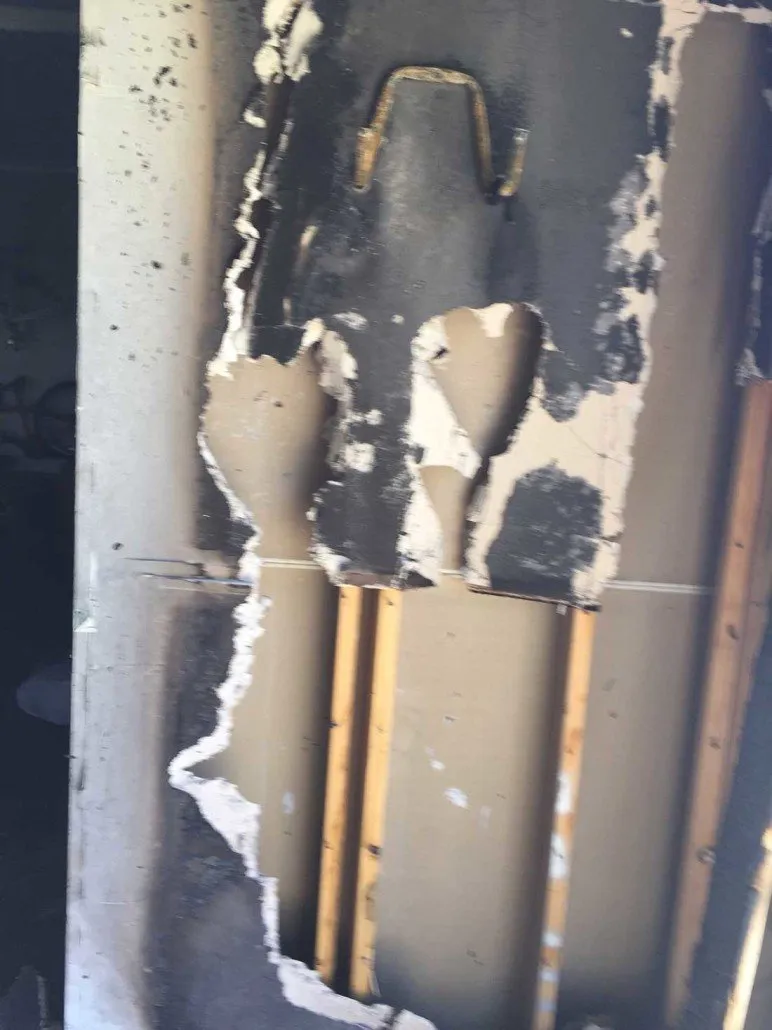
Water damage isn’t always dramatic. It doesn’t always start with a flood or burst pipe. Sometimes, it begins quietly—behind a wall, under a floor, or inside your ceiling—slowly spreading unnoticed until it causes expensive repairs or health hazards. At Utah Disaster Restoration, we see the long-term effects of hidden leaks every day. Here’s what every homeowner should know about the dangers of hidden water damage and why prompt restoration is crucial. 1. Structural Damage Can Happen Slowly Even a small, steady leak can weaken drywall, subfloors, and framing over time. As materials stay damp, they lose structural integrity—eventually warping, cracking, or collapsing. By the time the problem becomes visible, it often requires extensive repairs. Regular plumbing inspections and moisture checks can catch these issues early. 2. Mold Growth Can Begin Within 24–48 Hours One of the biggest dangers of hidden water damage is mold. Mold thrives in dark, damp environments, like behind walls or under flooring. Once it starts growing, it spreads quickly, releasing spores into your indoor air. Exposure to mold can trigger respiratory issues, allergies, and other health concerns—especially for children and those with asthma. Our certified technicians use advanced moisture mapping and infrared detection to locate hidden leaks and eliminate mold at the source. 3. Electrical Hazards Increase with Moisture Hidden leaks behind walls or ceilings can come into contact with electrical wiring—creating serious fire and shock risks. If you ever notice flickering lights, tripped breakers, or a musty smell near outlets, shut off power to the area and call a professional immediately. Utah Disaster Restoration works closely with licensed electricians to ensure all water-affected areas are safe and fully restored. 4. Pests Are Attracted to Moisture Moist environments draw termites, ants, and rodents looking for water sources. Left unchecked, these pests can compound the damage and require expensive extermination. Addressing hidden water damage promptly not only protects your home’s structure but also helps prevent infestations. 5. Your Insurance Claim Could Be Denied Many homeowners don’t realize that insurance policies often exclude coverage for long-term or neglected water damage. If you delay repairs or fail to address a leak promptly, your insurer may deny your claim. By documenting water issues early and calling a professional restoration company like Utah Disaster Restoration, you can preserve evidence and maximize your claim approval chances. 6. Restoration Costs Multiply Over Time What might cost a few hundred dollars to fix now can easily turn into several thousand later. Water seeps into places you can’t see, spreading damage across multiple rooms and materials. Early detection and professional restoration are always more cost-effective than waiting until major repairs are needed. Signs You Might Have Hidden Water Damage Keep an eye out for subtle warning signs such as: If you notice any of these, schedule a professional water damage inspection right away. Why Utah Homeowners Trust Utah Disaster Restoration At Utah Disaster Restoration, we specialize in finding and fixing hidden water damage before it becomes a disaster. Our certified restoration experts use moisture meters, thermal imaging, and advanced drying systems to fully restore your home. We’re local, fast, and available 24/7 to handle emergencies across Utah—from small leaks to large-scale flood restoration. Schedule Your Water Damage Inspection Today If you suspect hidden moisture or notice unexplained damage, don’t wait. Contact Utah Disaster Restoration for professional hidden water damage restoration in Utah. Our experts will assess, repair, and restore your property safely—protecting your investment and your family’s health. FAQ Q: How long does it take for mold to grow after a leak?A: Mold can start forming within 24–48 hours if moisture isn’t dried properly. Q: Is water damage always visible?A: No. Many leaks occur behind walls or floors, so professional detection tools are needed to locate the source.
Fall Flood Preparedness: How to Protect Your Utah Home from Water Damage
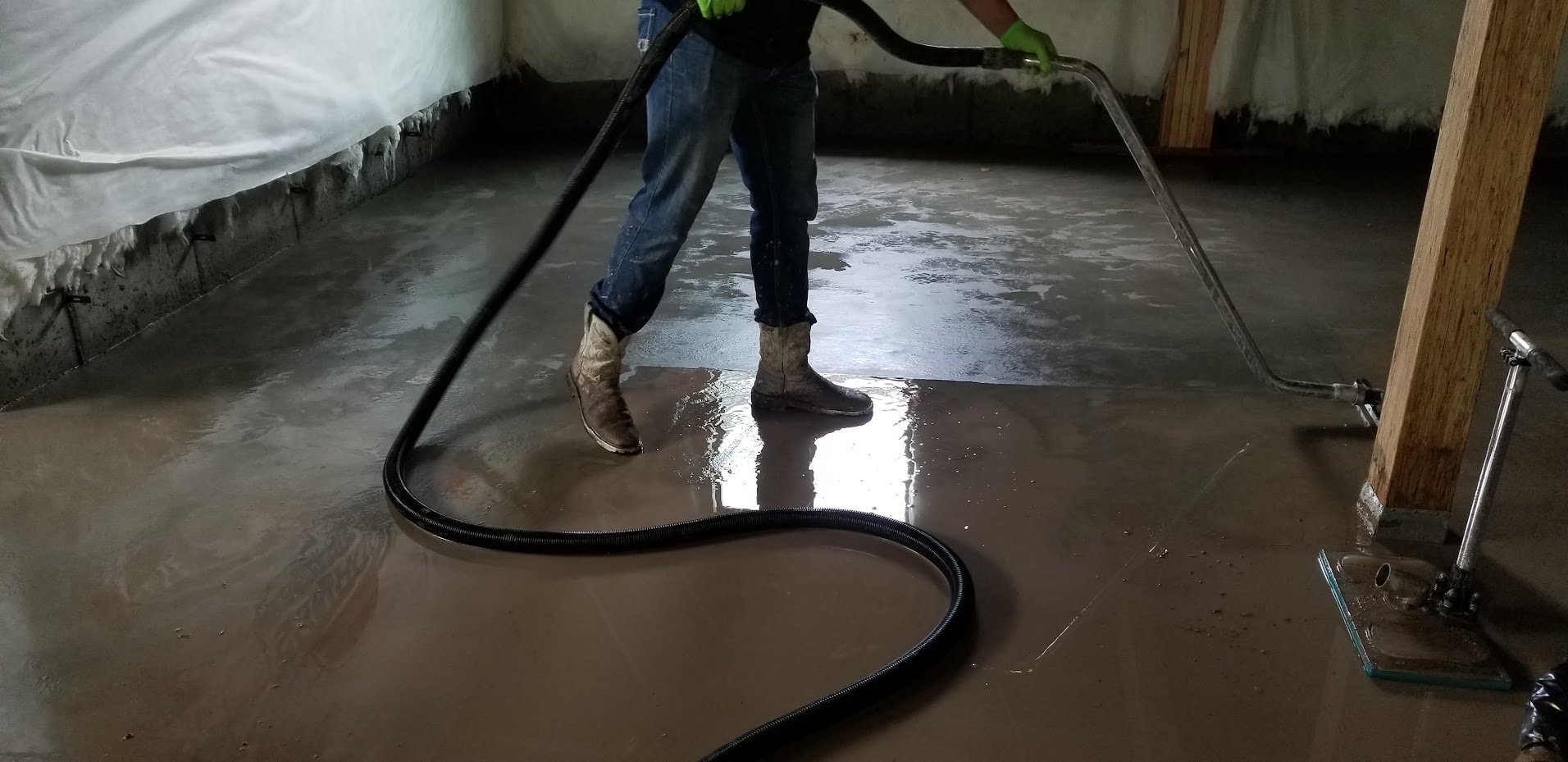
Fall Flood Preparedness: How to Protect Your Utah Home from Water Damage Fall in Utah is unpredictable—one week brings crisp, dry air and colorful leaves, and the next can bring sudden downpours that overwhelm drainage systems. Between autumn rainstorms and early snowmelt, flooding is one of the leading causes of home damage across the state. At Utah Disaster Restoration, we’ve seen firsthand how quickly water can turn from a nuisance to a catastrophe. The good news? With a little preparation, you can protect your property and avoid costly water damage this season. Here’s how to keep your home safe with our fall flood preparedness tips for Utah homeowners. 1. Inspect Gutters and Downspouts Your first line of defense against flooding is proper drainage. Clogged gutters cause water to overflow and pool around your foundation—leading to leaks, erosion, or basement flooding. Before fall storms arrive, clean your gutters and check that downspouts extend at least 5 feet away from your home. Consider installing gutter guards to prevent future blockages from leaves and debris. 2. Grade Your Landscape for Better Drainage Over time, soil settles around your foundation, creating low spots where water can collect. Walk around your home after a rainstorm to see where puddles form. Regrade the soil so that it slopes gently away from the house, directing runoff toward storm drains or open ground. If your property sits on a slope, French drains or sump pumps can help control excess water. 3. Inspect Your Basement or Crawl Space Basements are highly vulnerable to flooding, especially in older Utah homes with aging foundations. Look for cracks, damp spots, or white chalky residue (efflorescence)—all signs of moisture intrusion. Seal small cracks with waterproof epoxy and install a vapor barrier or dehumidifier to keep humidity under control. For larger issues, contact Utah Disaster Restoration for professional basement waterproofing or sump pump installation. 4. Check Windows, Doors, and Foundation Seals Even a small gap can allow water to seep inside during a storm. Inspect window wells, door thresholds, and foundation seams for deterioration or missing caulking. Resealing these entry points before fall rains can prevent thousands of dollars in potential water damage repairs. 5. Maintain Your Sump Pump If your home has a sump pump, fall is the perfect time to test it. Pour a few gallons of water into the pit to ensure it activates and drains properly. If you live in a flood-prone area, consider installing a battery backup system to keep the pump running during power outages. 6. Review Your Homeowner’s Insurance Many homeowners don’t realize that standard policies don’t cover flood damage. Contact your insurance agent to confirm your coverage and discuss adding a flood insurance policy if you’re in a high-risk zone. Pro Tip: Take photos and create an inventory of valuables now—it can simplify the claims process if damage ever occurs. 7. Know What to Do if Flooding Happens Even with preparation, Utah’s unpredictable weather can lead to flash floods. If water enters your home: Our emergency response team is available 24/7 to handle flood cleanup, water extraction, and structural drying anywhere in Utah. Why Utah Homeowners Trust Utah Disaster Restoration With years of experience restoring homes from floods, leaks, and storm damage, Utah Disaster Restoration combines state-of-the-art equipment with compassionate service. We’re locally owned, fully certified, and committed to restoring your property safely and efficiently. Our comprehensive services include: Schedule a Flood Preparedness Inspection Today Don’t wait until heavy rain arrives. Contact Utah Disaster Restoration today for a flood preparedness inspection and peace of mind before winter. Our experts will identify vulnerabilities in your home and provide solutions tailored to Utah’s unique climate. FAQ Q: How can I tell if my home is at risk for flooding?A: Homes near creeks, sloped lots, or older neighborhoods with limited drainage are most at risk. Q: What’s the fastest way to clean up after a flood?A: Call a professional restoration company immediately. DIY cleanup often misses hidden moisture, leading to mold.
The Importance of Professional Mold Remediation for Utah Families
Mold is more than just an unsightly problem—it’s a serious health risk that can affect your entire household. In Utah’s variable climate, mold can thrive in damp basements, attics, and behind walls after water damage. That’s why professional mold removal services in Salt Lake City are vital to maintaining a safe, healthy home. At Utah Disaster Restoration Services (UTDRS), we provide certified mold remediation in Utah designed to completely eliminate mold and prevent it from returning. 1. The Hidden Dangers of Mold Mold exposure can cause allergic reactions, respiratory issues, and even chronic illness in sensitive individuals. It spreads quickly through airborne spores, contaminating furniture, carpets, and air ducts. Without professional removal, mold can continue growing unseen behind drywall or under flooring. 2. DIY Cleanup Isn’t Enough While it may be tempting to scrub visible mold with bleach, that only removes surface growth. Mold roots penetrate deep into materials like wood and drywall. Certified remediation specialists use advanced techniques and equipment to locate hidden colonies and remove them at the source. 3. Certified Mold Remediation Ensures Safety Professional mold remediation involves containment, filtration, removal, and sanitization. Experts use HEPA air scrubbers to capture spores and prevent them from spreading during cleanup. This process protects both your home’s structure and your family’s health. 4. Preventing Future Mold Growth After removal, professionals identify and address the moisture source—often a hidden leak or past water damage. UTDRS helps homeowners not only remove mold but also implement long-term prevention strategies to keep your home dry and mold-free. 5. Peace of Mind for Utah Families Choosing certified professionals means knowing the job is done safely and thoroughly. With Utah’s fluctuating humidity levels, ongoing vigilance is essential—but with expert help, you can rest assured your home is protected. If you suspect mold growth in your home, don’t wait for the problem to worsen. Utah Disaster Restoration Services provides complete mold testing, removal, and prevention solutions. Call UTDRS today for certified mold remediation services in Salt Lake City and throughout Utah!
How to Protect Your Utah Home from Water Damage After a Flood
Flooding can strike unexpectedly, leaving behind extensive damage to your home’s structure and belongings. Whether caused by a burst pipe, heavy rainfall, or snowmelt, acting fast after a flood is crucial. At Utah Disaster Restoration Services, we specialize in flood damage restoration in Salt Lake City and emergency water cleanup in Utah County—helping homeowners recover quickly and safely. 1. Prioritize Safety First Before re-entering your home, make sure it’s safe to do so. Floodwater can hide electrical hazards, weakened floors, and contamination. If you suspect damage to your electrical system or structural instability, stay out until professionals assess the area. 2. Contact a Flood Damage Restoration Expert Water damage worsens by the hour. The longer water sits, the more likely it is to cause mold growth and permanent damage. Professional restoration teams use advanced equipment to extract water, dry affected materials, and prevent secondary damage. UTDRS offers 24/7 emergency water cleanup services to minimize loss and restore your home to pre-flood condition. 3. Document the Damage for Insurance Take photos and videos before cleanup begins. Proper documentation can help with insurance claims and ensure you’re compensated for repairs and replacements. 4. Dry and Dehumidify Thoroughly Even if surfaces look dry, moisture can linger in walls, floors, and furniture. Industrial-grade dehumidifiers and air movers are essential to fully dry the area. This process helps prevent mold growth—a common and dangerous after-effect of flooding. 5. Inspect for Mold and Contaminants Floodwaters often contain bacteria and pollutants. After drying, professionals will sanitize the area to prevent harmful exposure. If you notice a musty odor or visible mold growth, schedule mold remediation right away. 6. Prevent Future Flooding Once your home is restored, take preventive measures such as sealing foundation cracks, cleaning gutters regularly, and installing sump pumps or backflow valves to protect against future floods. Flooding is stressful, but you don’t have to face it alone. Utah Disaster Restoration Services provides fast, reliable solutions to protect your home and peace of mind. Call today for professional flood damage restoration and emergency water cleanup across Salt Lake City and Utah County!